Myth Busted: Are Dogs Mouths Cleaner Than a Human’s?
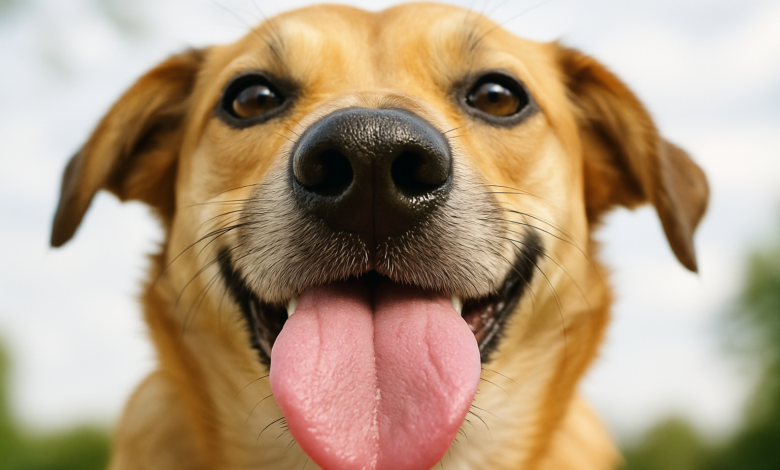
For years, pet owners have comforted themselves with a claim that feels as sweet as a sloppy dog kiss: that a dog’s mouth is somehow cleaner, purer, even safer than a human’s. It is an idea repeated on playgrounds, at dog parks, and in households across America, often serving as the convenient excuse behind every enthusiastic lick to the face. But new scientific insight reveals a reality far more complicated — and far less hygienic — than many dog lovers want to believe.
The notion that a dog’s mouth is cleaner persists because it sounds harmless, even wholesome. Many owners genuinely want to believe that their companion’s affection is not only safe but biologically superior to the germs humans carry around. Yet researchers say the myth has endured largely because it offers reassurance rather than accuracy, allowing people to overlook the unseen risks that come with intimate contact.
Scientists stress that the real issue is not cleanliness but misunderstanding. What takes place inside a dog’s mouth is radically different from what happens inside a human’s, shaped by millions of years of evolution and vastly different behaviours. When pet owners assume both mouths behave similarly — or that dogs possess some magical hygienic ability — they miss the complex and occasionally dangerous truth behind their pet’s biology.
Two Wildly Different Microbiomes
Scientists now say the question isn’t whether human or canine mouths are “cleaner,” but rather how differently they function. Both species host hundreds of bacterial types, yet the ecosystems inside their mouths are fundamentally incompatible. Humans primarily harbour gram-positive bacteria suited to our diet and oral environment, while dogs carry a more diverse spectrum, including gram-negative organisms commonly associated with soil, faeces, and decaying material.
This diversity is shaped by behaviour as much as biology. Dogs explore the world with their mouths, sniffing and tasting objects humans would never dream of touching, and their oral bacteria reflect that adventurous lifestyle. One study even found dogs carried fewer total colonies on average than humans, but the species variety was significantly greater — proof that mouth “cleanliness” cannot be judged by numbers alone.
This distinction highlights why comparing human and dog mouths is scientifically meaningless. Each species has evolved bacterial communities that suit their anatomy, immune systems, and natural habits. What is harmless to a dog may be dangerous to a human, and what seems normal for us may disrupt a dog’s microbiome entirely. Cleanliness, in this context, becomes a misleading and unhelpful measurement.
The Bacteria in Dog Saliva
What surprises experts most is not how much bacteria exists in a dog’s mouth but the specific strains they carry. Many of the organisms present cause dogs no harm whatsoever, yet they pose a significant infection risk to humans when introduced through a bite or wound. Pasteurella canis, for example, is responsible for the rapid, aggressive infections often seen in dog bite cases, sometimes worsening within mere hours.
Another organism, Capnocytophaga canimorsus, is particularly dangerous for people with weakened immune systems. While dogs can carry it without symptoms, humans may develop life-threatening illnesses if exposed through broken skin. These bacteria are not rare; they are routine components of canine saliva, present in healthy, well-cared-for pets just as readily as in stray or unwell animals.
These findings underscore why casual comparisons between species create false reassurance. Owners may assume that a clean-looking mouth signals harmlessness, but microscopic reality tells a different story. The bacteria dogs naturally carry are well-suited to canine biology, not human tissue, and understanding that distinction is essential for anyone who allows close contact with their pet’s mouth.
The Healing Myth Isn’t Entirely Wrong
A persistent belief holds that dog saliva helps wounds heal, and while the idea may sound like folklore, there is a scientific foundation beneath it. Dog saliva contains small amounts of lysozyme, antimicrobial peptides, and other compounds capable of suppressing certain bacteria. The physical act of licking can also stimulate blood flow and dislodge debris, echoing grooming behaviours that serve dogs well in the wild.
But experts warn against romanticising these natural abilities. The modest antibacterial properties in dog saliva are vastly outweighed by the sheer diversity of harmful organisms that can enter a wound during licking. Even a minor abrasion can become infected quickly, particularly in individuals with compromised immune systems or underlying health conditions. The risks rise sharply when the wound is deep or poorly cleaned.
Veterinarians agree that modern wound care surpasses anything nature can offer. Sterile irrigation, antiseptic treatment, and medical supervision remain the safest and most effective approaches for both humans and animals. Allowing a dog to lick a wound — especially repeatedly — is now considered outdated, hazardous, and far more likely to complicate healing than improve it.
What Dogs Put in Their Mouths
One of the most significant issues undermining the “clean mouth” myth is the simple reality of a dog’s lifestyle. Dogs explore their environment with enthusiasm, sinking their noses into soil, grass, rubbish bags, and the rear ends of other dogs. The objects they carry, chew, or lick throughout the day expose them to bacteria humans rarely encounter — and certainly would never ingest voluntarily.
This exposure becomes even more concerning when considering coprophagia, a behaviour far more common than many owners realise. Puppies often experiment with stools as part of natural development, while nursing mothers instinctively consume their puppies’ waste to keep the den clean. Even adult dogs may eat faeces due to stress, nutritional deficiencies, or simple curiosity, allowing intestinal pathogens direct access to the mouth.
These realities make it impossible to claim that a dog’s mouth is “cleaner” by any conventional definition. Owners who allow face licking — particularly around the mouth — may unknowingly expose themselves to bacteria such as Salmonella, E. coli, and various parasites. It is a risk human mouths almost never present, and one that pet owners must consider honestly amid affectionate moments.
Periodontal Disease
Despite their differences, dogs and humans share one significant oral threat: periodontal disease. Both species harbour their own versions of Porphyromonas bacteria capable of attacking gum tissue and the supporting bone around teeth. Once these pathogens become established, they trigger inflammation, pain, and long-term dental damage, making early intervention crucial for sustained oral health.
The impact is often more severe in dogs, partly because most receive minimal dental care throughout their lives. Without brushing, plaque hardens into tartar, creating pockets around the gums where bacteria thrive. Over time, teeth loosen, infections develop, and dogs may experience chronic discomfort without showing obvious symptoms, leaving owners unaware until the disease is advanced.
Veterinarians urge owners to adopt a proactive approach, brushing their dog’s teeth several times each week and scheduling routine dental cleanings. Bad breath, often dismissed as harmless, is typically the first warning sign of bacteria accumulating beneath the gumline. Addressing these issues early saves dogs from significant pain and prevents costly medical treatment later in life.
Antibiotic-Resistant Bacteria
A recent study introduced a new concern that has escalated the urgency behind proper dog bite treatment. Researchers discovered antibiotic-resistant genes in bacteria commonly found in canine saliva, including strains capable of resisting amoxicillin–clavulanate, the first-line antibiotic prescribed for most dog bite infections. While harmless to the dogs themselves, these genes pose serious challenges for human medicine.
This growing resistance highlights a troubling intersection between companion animals and human health. With millions of households sharing close contact with dogs, the opportunity for bacterial transfer — through bites, scratches, or wound contamination — remains significant. In rare but severe cases, these infections may require advanced antibiotics or hospitalisation, particularly when they fail to respond to standard treatments.
Experts say the findings are a reminder of the evolving nature of bacterial ecology. As antibiotic resistance increases worldwide, even familiar interactions with pets require thoughtful precautions. Treating all dog bites promptly and monitoring for signs of infection has become essential, regardless of how minor the injury may initially appear.
Should You Let Your Dog Lick Your Face?
The answer, according to experts, depends entirely on individual risk and circumstances. Healthy adults with intact skin are generally unlikely to experience serious consequences from a quick, light lick, especially if their dog is well cared for, parasite-protected, and not prone to eating faeces. Even so, regular hygiene practices, such as washing the face afterward, remain recommended.
For vulnerable groups, however, the advice shifts dramatically. People who are elderly, immunocompromised, pregnant, or very young face significantly higher risks when exposed to the bacteria in a dog’s saliva. Children, in particular, may not understand boundaries, making supervision crucial to prevent saliva from reaching eyes, mouths, or open skin.
The golden rule remains simple and widely supported: never allow a dog to lick your mouth, eyes, wounds, or a baby’s face. These areas provide direct access to the bloodstream or sensitive tissues where infections can take hold rapidly. With sensible boundaries and awareness, families can enjoy affection from their dogs without inviting unnecessary health concerns.
Are Dogs Mouths Cleaner Than a Human’s?
The idea that a dog’s mouth is “cleaner” than a human’s is not just inaccurate — it is a myth that obscures the biological realities of two very different species. Dogs possess diverse oral bacteria shaped by their environment, instincts, and daily habits, many of which humans would find overwhelmingly unsanitary. By contrast, human bacteria have adapted to a very different set of conditions and pose risks dogs are naturally equipped to handle.
While dogs do carry small amounts of beneficial compounds in their saliva, these offer no meaningful protection against infection in humans or animals. The presence of faecal bacteria, soil organisms, and antibiotic-resistant strains makes canine saliva a far riskier substance than many owners realise. Cleanliness, in this context, becomes a subjective and misleading measure.
Experts advise owners to combine affection with common sense: maintain consistent dental care, monitor scavenging habits, and treat wounds with proper medical care rather than outdated folklore. Dogs may offer boundless love and companionship, but their bacteria come along for the ride.